
Vibration Consultancy (Hand-Arm Vibration & Whole-Body Vibration)
Vibration work is rarely one-size-fits-all, and our involvement reflects that. Some organisations simply need reliable vibration testing so they have good data to work with. Others want full support - from testing through to exposure calculations, risk assessment and ongoing management. Many sit somewhere in between.
We’re comfortable stepping in at whatever point is most useful to you.
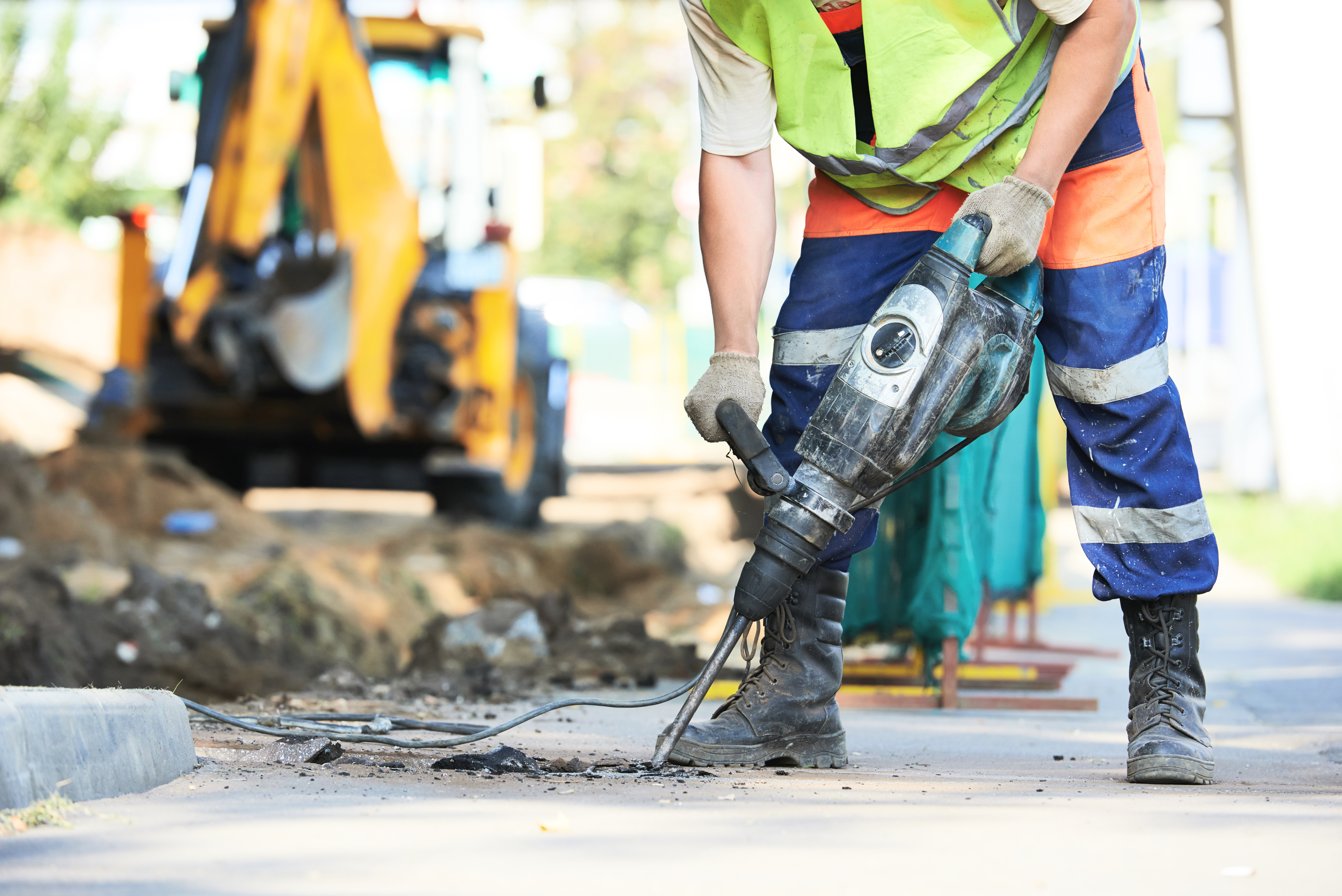
Hand-Arm Vibration (HAV): testing only or full assessment support:
For some clients, our role is focused on Hand-Arm Vibration (HAV) testing only. This is often where internal teams already manage exposure calculations and risk assessments, but don’t have the time, equipment or specialist experience to carry out testing themselves.
In these cases, we provide representative and repeatable vibration data that can be used confidently within your own systems.
For others, we carry out both the testing and the exposure calculations, producing a more detailed HAV risk assessment. This approach is particularly helpful where multiple tools are used, tasks vary across the day, or there’s uncertainty about how exposure is accumulating in practice.

Understanding exposure and identifying practical reductions:
Where we’re involved in the wider assessment, we calculate typical HAV exposures based on how tools are actually used - not how they’re assumed to be used.
Alongside this, we look at realistic ways to reduce exposure. This may include alternative tools, changes in technique, different consumables, task redesign or adjustments to work patterns.
Because we work across a wide range of industries, we’re often able to draw on techniques and solutions that transfer well between sectors. Tools or approaches that work effectively in one environment can sometimes work even better when applied to a different task elsewhere.

Support at any stage
Some clients come to us before assessments are in place. Others involve us once issues have been identified through health surveillance, internal audits or external intervention and you want support in moving things forward.
We’re comfortable stepping in at any stage — whether that’s helping clarify a specific concern, supporting conversations between teams, or putting practical measures in place to strengthen how risks are managed.
This type of support is often where health & safety and occupational health overlap, and where clear, independent input can make a real difference when responsibilities span more than one department.
How we carry out Hand-Arm Vibration testing:
When we carry out vibration testing, tools are tested as they are used in practice. Wherever possible, testing is undertaken by the actual operative carrying out the task. Where this isn’t practical, testing may be carried out by another individual designated by the client as being knowledgeable and competent in the tool and task being assessed.
We do not remove tools from site and test them in isolation.
Testing is carried out using calibrated equipment appropriate to the relevant standards and measurement requirements. The accelerometer is hard-mounted to the tool, positioned at or close to the point where the operator’s fingers grip the tool, to ensure measurements reflect real exposure.
Where testing cannot be carried out in the normal working location - for example, where it would not be safe - we replicate the task as closely as possible. This includes using the same materials, consumables and techniques, so the results remain reliable, representative and repeatable.
A good example is chainsaw testing. Rather than introducing unnecessary risk by measuring vibration while an operative is working at height, we prepare representative timber and conduct testing safely at ground level using the same saw and cutting methods. The same approach applies in engineering and manufacturing environments where direct testing in certain locations is not appropriate.
Our priority is to gather the most accurate data that reflects how your staff use their equipment, without compromising accuracy or safety.
Reviewing existing HAV arrangements and supporting HSE intervention:
We’re often asked to review existing HAV risk assessments, exposure calculations or management arrangements.
This may take the form of shadowing or mentoring, where someone has been trained but wants reassurance that they’re applying what they’ve learned correctly. In other cases, assessments exist but don’t fully reflect how tools are being used in practice. We’re also regularly asked to support organisations following HSE intervention - whether that’s helping clarify expectations, improve communication, or address areas where arrangements were found to be lacking.
Reviews can include:
the quality and relevance of vibration data
exposure calculations and assumptions
health surveillance arrangements and referral pathways
training and awareness
maintenance schedules and tool condition
policies, procedures and purchasing decisions
Where helpful, we can carry out targeted on-site checks and support organisations in bringing matters to a sensible, defensible conclusion.
Whole-Body Vibration (WBV):
Whole-Body Vibration (WBV) is also covered within our vibration consultancy work.
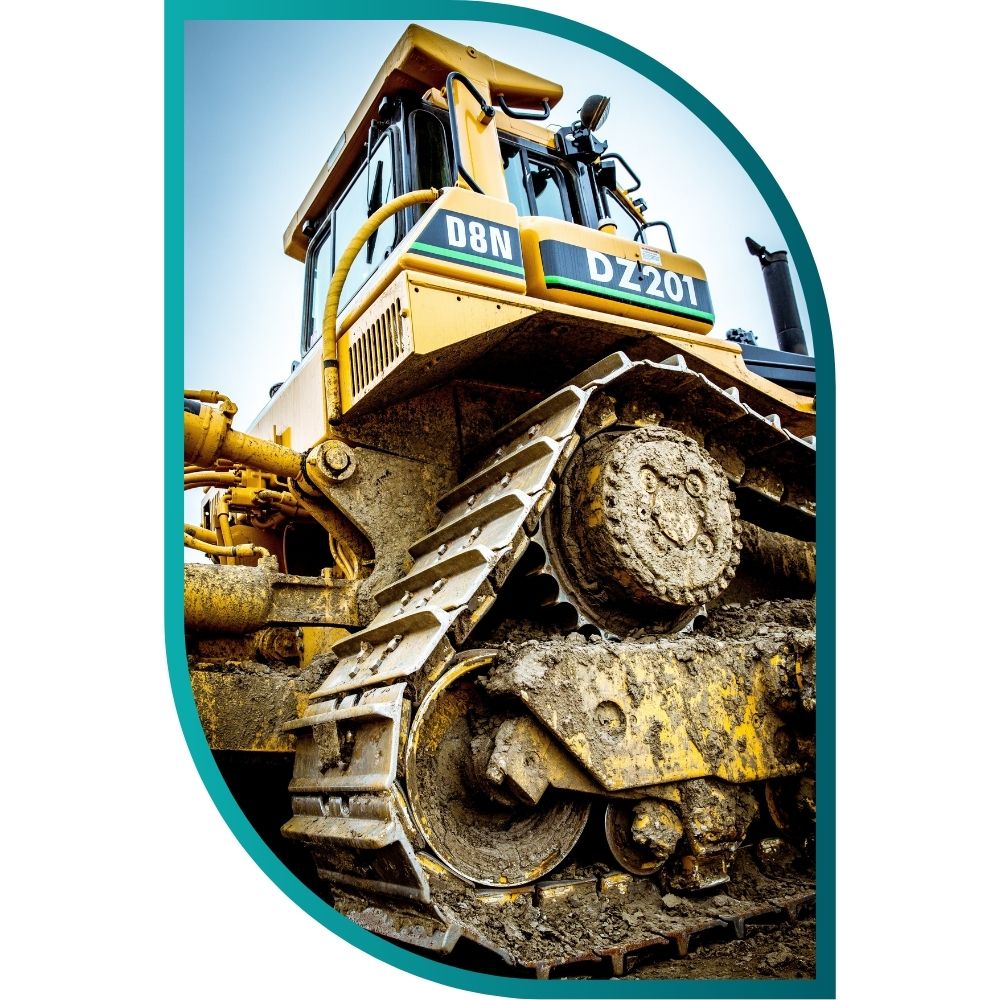
WBV commonly affects people using ride-on equipment such as mowers, forklifts, all-terrain vehicles and similar plant - particularly in grounds maintenance, forestry, recycling and quarries. In some factory settings, WBV may also be a concern where Fork Lift Truck drivers regularly travel over uneven yards, or for those using EPTs for loading and unloading wagons.
WBV assessments involve different exposure action values, measurement approaches and calculations compared with HAV. They also consider shocks and jolts, which can be a significant contributor to risk in certain activities.
An area that’s sometimes overlooked is the interaction between WBV and HAV. In some cases, individuals with hand-arm vibration symptoms are moved away from handheld tools and allocated ride-on equipment instead. While this may be appropriate in many situations, it isn’t always suitable - particularly where a zero-vibration exposure has been advised, or where WBV exposure remains significant.
Even where vibration levels from ride-on equipment appear relatively low, they still contribute to overall exposure. In reduced-exposure scenarios, understanding the vibration levels from mowers or vehicles becomes particularly important, as exposures can still approach or exceed action values depending on task and duration.
Our WBV work follows the same regulation and judgement-led and approach as HAV: assessing exposure, producing clear reports, and supporting practical recommendations to reduce risk. This includes reviewing training, maintenance arrangements and documentation, and helping clients manage both HAV and WBV effectively across their site.
Making vibration management practical:
You’re not locked in by the data we provide. We supply everything you need to manage HAV and WBV in-house, should you wish to do so.
This allows exposure calculations to be updated if tasks or work patterns change, without starting again from scratch. Many clients use this information alongside the HSE vibration calculator or their own internal systems.
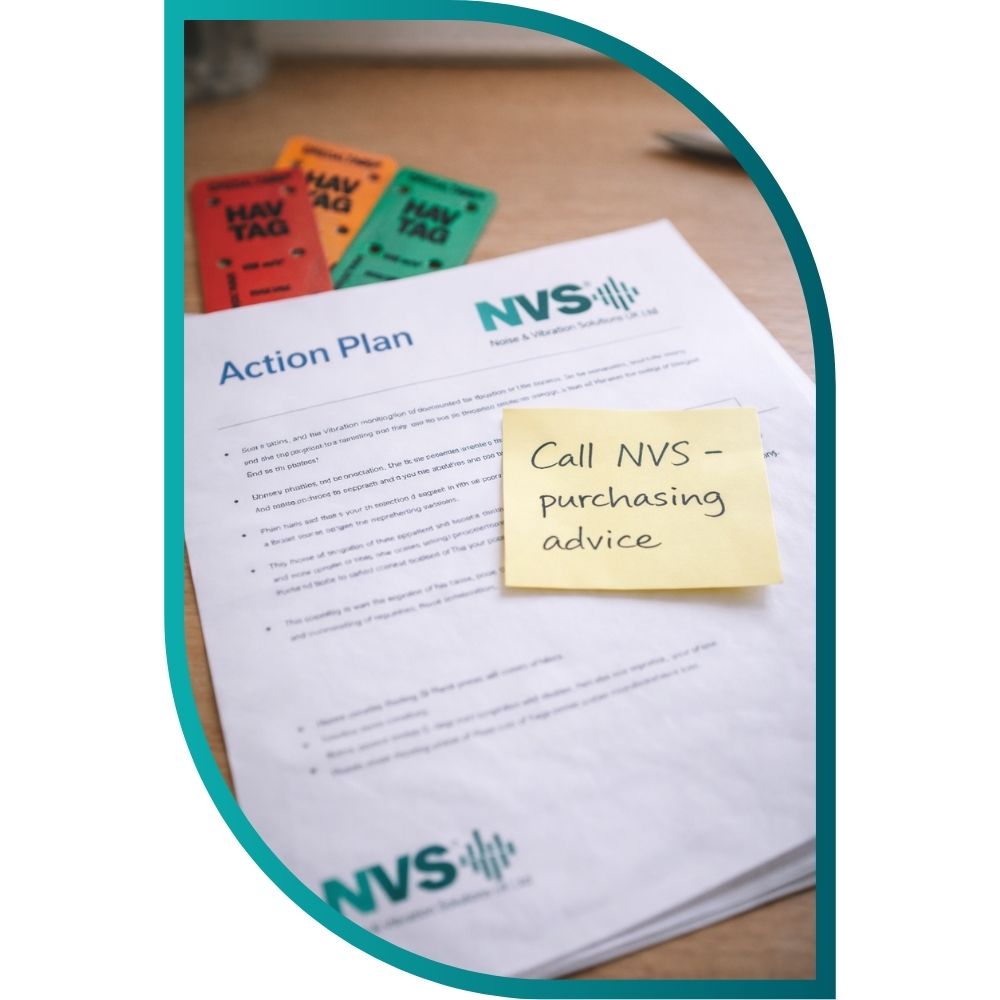
Where helpful, we can also provide you with tool or equipment tagging, showing vibration magnitude, indicative usage times and HSE points - providing clear, accessible information for those managing vibration risks day to day.
Ongoing advice and support:
Vibration management often evolves, particularly where tools, vehicles or tasks change.
Some clients ask us to return periodically to update testing or assessments. Others get in touch when they’re considering new equipment, reviewing suppliers, or want an independent view before decisions are made.
We’re happy to provide support when it’s useful - and equally happy to step back when it’s not.
Who we work with:
We support organisations of all sizes, from those needing a small amount of targeted HAV testing through to larger operations managing HAV and WBV risks across multiple teams or sites.
Because we work across many sectors, we’re often able to bring broader insight into how vibration risks are being managed elsewhere - and what tends to work well in practice.



Terms of Service | Privacy Policy | Cookie Policy
© Copyright 2026, Noise & Vibration Solutions UK LTD. Company number 16379286. All Rights Reserved.
Website designed and created by Birdy Publications